


News and Information
News and Information
2015-01-01
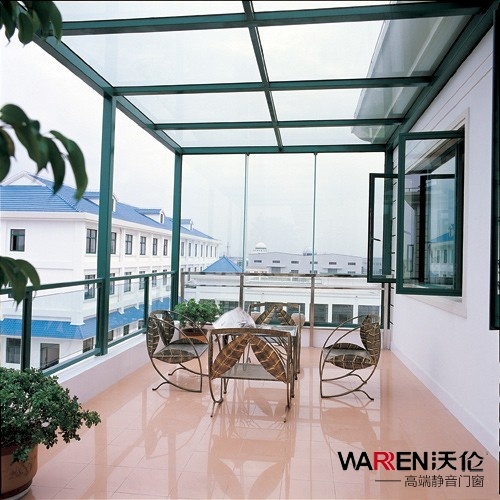
In the chilly winter months, sunlight feels especially precious—many people dream of catching the golden, radiant tail of the sun, soaking up its warmth and savoring nature’s embrace. Yet when stepping outside to bask in the sun, one often encounters biting cold that quickly overshadows the cozy, comforting glow of daylight. That’s precisely why having a sunroom at home becomes the ultimate luxury—a true haven where you can fully enjoy the soothing presence of sunlight, even on the coldest days. 1. In this bone-chilling breeze, no one would turn down the gentle gift of a single ray of sunshine. A sunroom bridges the gap between indoor comfort and outdoor beauty, inviting the warm, golden light inside to create a spring-like ambiance. It’s like being immersed in nature while still basking in the familiar coziness of home—exactly the kind of experience a sunroom can offer. 2. Even in the depths of winter,

Since the start of winter, many of you may have noticed a common phenomenon: every morning, you wake up to find numerous water droplets forming on your home windows. As the weather continues to cool down, this issue seems to be getting worse—so much so that the condensation even starts flowing down the glass and pooling on the window sills. In fact, this is a physical phenomenon known as "condensation." It occurs when there’s a significant temperature difference between indoors and outdoors, combined with high humidity levels inside the room. When warm, moisture-laden air comes into contact with the relatively cooler glass surfaces, the water vapor in the air condenses into tiny droplets—or fog. Over time, as these droplets accumulate, they eventually form visible water beads. Keen observers might also notice that the condensation and water droplets are most pronounced in the bedroom windows each morning, while other areas like the living room or kitchen experience less of this issue.
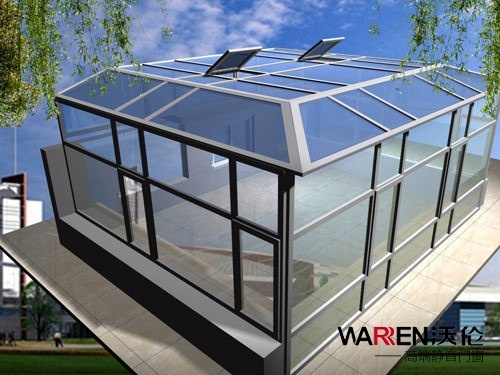
People choose sunrooms to create a comfortable, inviting environment, and the design of a sunroom should fully leverage natural breezes to ensure proper air circulation and cooling. That’s why careful, thoughtful planning is essential when selecting the location for the sunroom and deciding on details like window-leaf opening mechanisms. To enhance the sunroom’s ventilation, insulation, and noise-reduction capabilities, you can implement the following strategies: **Skylight System:** Install skylights at the top of the sunroom. These come in both manual and electric remote-controlled versions. For ultimate convenience, fully automatic skylights can be equipped with rain-and-wind sensors as well as a sun-tracking system, allowing them to adjust automatically based on weather conditions and indoor temperature levels.
2015-01-01
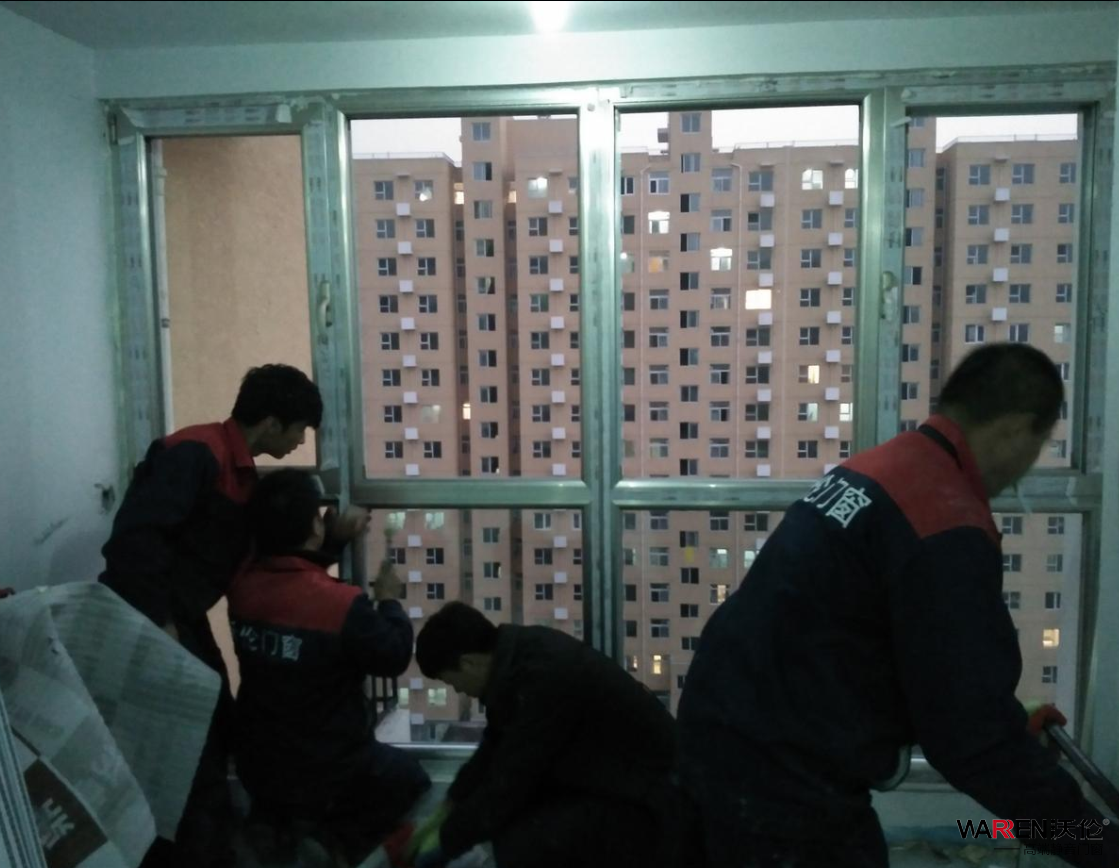
In the 21st century, as housing prices soar, second-hand homes have become the preferred choice for most homebuyers. However, when it comes to renovating these older properties, one of the most overlooked yet critical issues is often hidden in the doors and windows—potential safety hazards! Here are six effective strategies to help you sidestep these hidden risks during a second-hand home makeover: 1. **First Trick: Test the Waterproofing Before Renovating** Before starting any renovation work, conduct a 24- to 48-hour water retention test in the bathroom and kitchen to assess the quality of the existing waterproofing. If leaks are detected, the waterproofing must be completely redone to ensure long-term protection against moisture damage. 2. **Second Trick: Disinfect Thoroughly Before Renovation** Prior to embarking on the renovation process, it’s essential to thoroughly sanitize the entire home, especially areas that may harbor bacteria or mold, ensuring a safe and healthy living environment.

Securing the balcony is a highly important issue in home decoration, and the cost of enclosing a balcony is determined by the materials used. From a pricing perspective, which material is most suitable for balcony enclosures? Currently, the building materials market offers several options for balcony enclosures, including PVC windows and doors, aluminum-clad wood windows and doors, thermally broken aluminum windows and doors, and aluminum alloy windows and doors. Below, we’ll provide a detailed overview of each: 1. **PVC Windows**: PVC windows are prized for their excellent weather resistance, as well as their superior insulation and soundproofing properties. However, PVC materials come in limited color options, lack sufficient structural strength, and aren’t very resistant to wind pressure. For instance, if you forget to close the windows during strong winds,
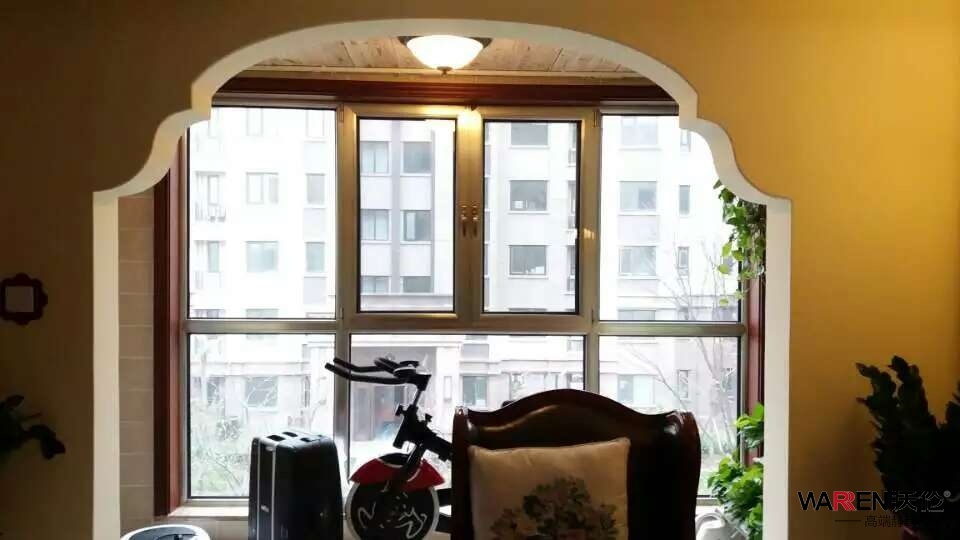
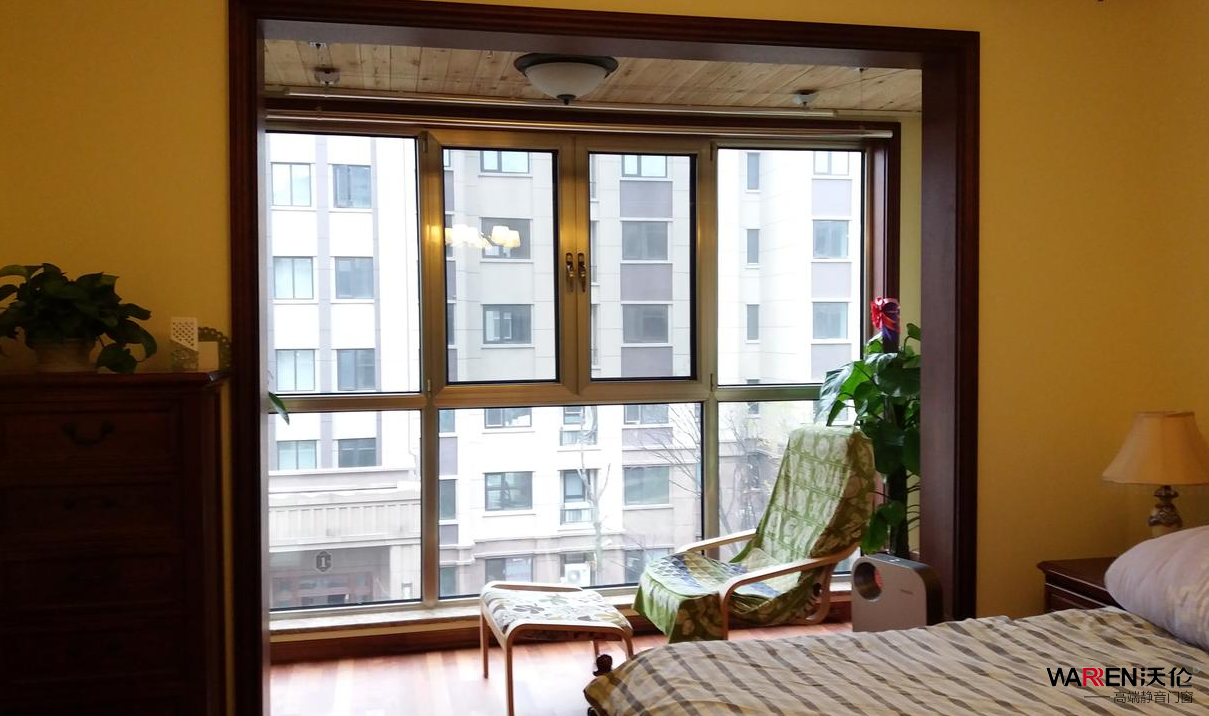
Insulated break-bridge aluminum alloy doors and windows are increasingly favored by the market due to their outstanding advantages, including high strength, excellent thermal insulation, superior rigidity, great fire resistance, large daylighting area, outstanding corrosion resistance, superior overall performance, long service life, and attractive decorative effects. High-end break-bridge insulated aluminum alloy windows have gradually become the preferred choice for windows in upscale architectural projects. But why is it called "Break-Bridge Insulated Aluminum"? The term "bridge" in "break-bridge aluminum" refers to the "thermal bridge"—a concept from materials science that describes areas where heat can easily transfer between the interior and exterior of a building. The word "break" signifies the action of interrupting or severing this thermal bridge. Specifically, since aluminum is a metal with high thermal conductivity, it naturally allows heat to pass through easily. By incorporating an insulating material—such as polyamide foam or fiberglass—in the design, the traditional continuous aluminum structure is effectively "broken," creating a barrier that significantly reduces heat transfer and enhances energy efficiency.
Many friends are curious about questions like: How thick should doors and windows be? Is there a direct correlation between door/window thickness and their performance? Does thicker mean better value for money? And does a heavier, thicker window last longer and withstand wear and tear more effectively? Ultimately, though, the real question boils down to this: Can thickness alone determine how well a window performs? The answer is: A great window isn’t just about its thickness. As Sun Tzu’s *Art of War* wisely puts it, "When Han Xin counts his troops, more is always better." Similarly, the general public often assumes that "more" automatically equals "better." But when it comes to choosing doors and windows, this principle deserves careful consideration. Let us help you find the answers—one by one. 1. What exactly is the "thickness" of a window? And who determines what constitutes an appropriate thickness?

What are door and window casings? Many friends who are new to home renovation aren’t quite sure. And how exactly should you approach the process of making door and window casings? Today, let’s learn together. As the year draws to a close, many people are rushing to complete their home renovations—my circle of friends is no exception, with several already preparing to give their homes a fresh, festive makeover for the holidays. However, since most of them are dipping their toes into home decorating for the first time, they’re often confused about what exactly door and window casings are. So, let me explain: Door and window casings serve both protective and decorative purposes, encasing the frames of doors and windows. Typically, they consist of two main components—the casing board (also known as the "cylinder board") and the face molding—and are seamlessly integrated with the surrounding walls.
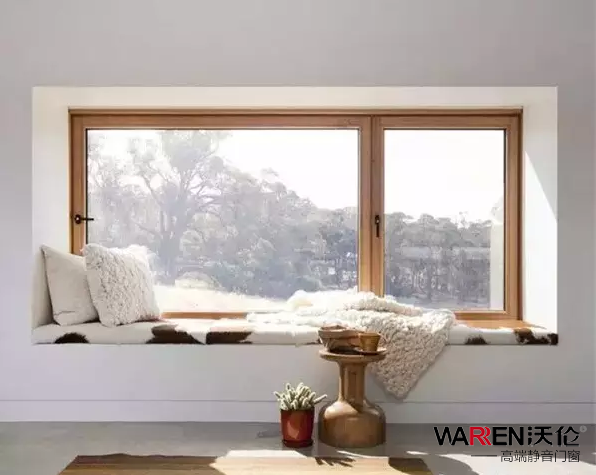
Building doors and windows represent the weakest link in a structure's thermal performance, accounting for 49% of the total energy consumption within a building's envelope. As living standards continue to rise, it has become increasingly common for indoor spaces to rely on cooling or heating systems to create comfortable living environments. Since doors and windows are key components of a building's exterior envelope, they directly influence the overall energy efficiency of the structure. Enhancing the thermal insulation of doors and windows is therefore a critical strategy for reducing a building's energy consumption. Today, the decision to install energy-efficient doors and windows is drawing growing attention from both homeowners and industry professionals. Meanwhile, with the introduction of national energy-saving regulations and building energy-efficiency standards, energy-efficient doors and windows have also captured significant interest across the construction sector.
Contact Information
Address: Area A, Datang Park, Sanshui Industrial Park, Sanshui District, Foshan City, Guangdong Province
Warren Doors & Windows, South of Fangshan Road and West of Dongtai Road, Dongcheng Subdistrict, Linqu County, Weifang City, Shandong Province
Business Inquiries: BD@warren.net.cn
Join Us: BD@warren.net.cn
International Trade Cooperation: BD@warren.net.cn
National Customer Service Hotline: +86 400-676-9888
Beijing Customer Service Hotline: +86 010-68319888


Douyin

Xiaohongshu
E-mail:
Tel:
400:
The Little Red Book:
Tiktok:
WeChat:
在线客服添加返回顶部
页面顺滑的滚动
右侧在线客服样式 1,2,3 4
图片alt标题设置: Beijing Warren Doors and Windows Co., Ltd.
循环体没有内容时: Materials are currently being organized—stay tuned!
CSS / JS 文件放置地