

News and Information
News and Information

What’s the difference between vacuum glass and insulated glass? First, let’s dive into vacuum glass in detail: What is vacuum glass? Vacuum glass consists of two flat panes of glass sealed together around the edges, leaving a narrow gap in between. This gap is then evacuated to create a vacuum and sealed at the vent hole. On the inner surfaces of both panes, one or two layers of transparent low-emissivity coatings are applied. Essentially, vacuum glass achieves a "vacuum" between the two panes—meaning there’s virtually no air left inside; it’s truly empty. In 1993, the world’s first 1-meter-by-1-meter sample of vacuum glass was unveiled, invented by Tang Jianzheng, a physicist from Peking University, and R.E. Collins.

2015-01-01
Using folding doors as kitchen entrances has become a widely adopted design choice, but to truly make kitchen folding doors work seamlessly in your space, it’s essential to pay close attention to several key design considerations. Many people find folding doors convenient and practical, yet they often feel that these doors aren’t the most efficient use of space—after all, they still take up some room. That’s why today we’ll dive deeper into expert tips for designing kitchen folding doors, uncovering the best strategies to ensure they don’t hog valuable space. Armed with this knowledge, you’ll be able to install these doors more effectively, making them far more functional and user-friendly in your kitchen. Let’s explore together!

2015-01-01
Truly energy-efficient doors and windows should focus on the following key aspects: 1. **Selection and Design of Profiles** First, different materials yield profiles with varying performance characteristics—most notably, their thermal conductivity affects the overall energy consumption of the windows and doors. Once you’ve chosen a specific material, the design of the profile’s cross-section becomes critically important. Take aluminum alloy profiles as an example: unfortunately, in many regions today, cost remains the primary factor when selecting profiles, while performance is often overlooked. As a result, standard aluminum alloy profiles are still widely used for energy-saving purposes. However, due to aluminum’s exceptionally high thermal conductivity, heat transfers rapidly through these materials—especially noticeable in colder northern regions, where indoor temperatures can drop significantly during winter.

Le Corbusier once said, "I exist in life only on the condition that I see." Because of this, he defined windows as "viewfinders"—akin to cameras—acting as "mechanical devices for categorizing vision." Perhaps architectural masters always harbor a unique emotional connection to windows. Yet one thing is certain: whenever they complete their creations, peering through those very windows toward the distant horizon, what they perceive—and perhaps even imagine—is far more than just a picturesque landscape.
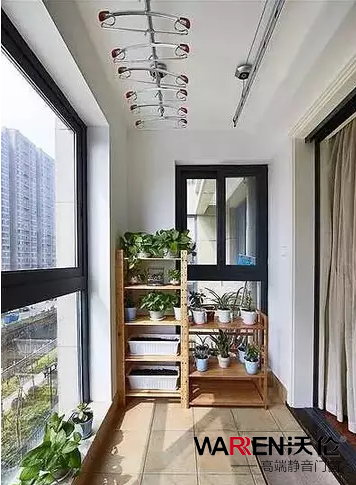
The balcony is an extension of the indoor space in a building, serving as a place for residents to breathe fresh air, dry clothes, and display potted plants. Its design should strike a balance between practicality and aesthetics. Balconies typically come in three main types: cantilevered, recessed, and corner styles. Beyond providing natural light, fresh air, and opportunities for outdoor exercise, relaxation, and laundry drying, a well-designed balcony can even transform into a charming little garden—allowing people to enjoy nature’s most delightful colors and savor crisp, fragrant air filled with floral scents—all without stepping outside. When decorating your balcony and choosing to install balcony windows to enclose the space, you’ll discover that it offers far more than just these benefits.
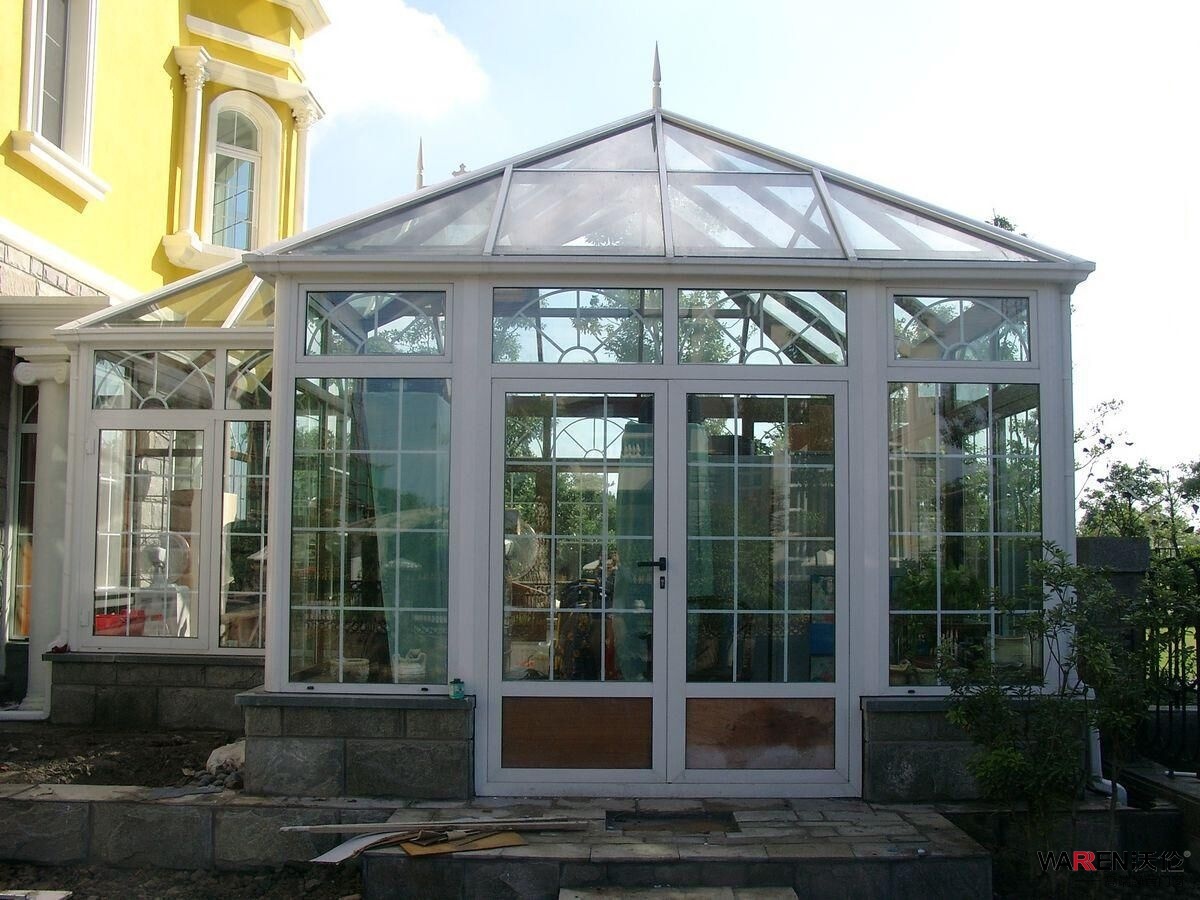
Commonly known as "glass houses," sunrooms are often built on duplex balconies, private gardens, rooftop terraces of buildings, private villas, or even balconies. Their architectural facades—even the roofs—are entirely constructed from glass. Sunrooms offer seamless, floor-to-ceiling glass panels that effortlessly let in abundant sunlight, creating a bright and airy indoor space. Just one chair, a cup of fragrant tea, a handful of golden sunlight, and a glimpse of the starry sky—what a blissful experience! Yet, while we bask in the warmth of the sun, unexpected challenges quickly arise. In summer, these all-glass structures can turn into veritable saunas or scorching ovens, with temperatures soaring to levels that make the room anything but inviting. At outdoor temperatures reaching 30°C—or even higher—it’s no exaggeration to say the sunroom becomes an oven rather than a haven of sunshine.
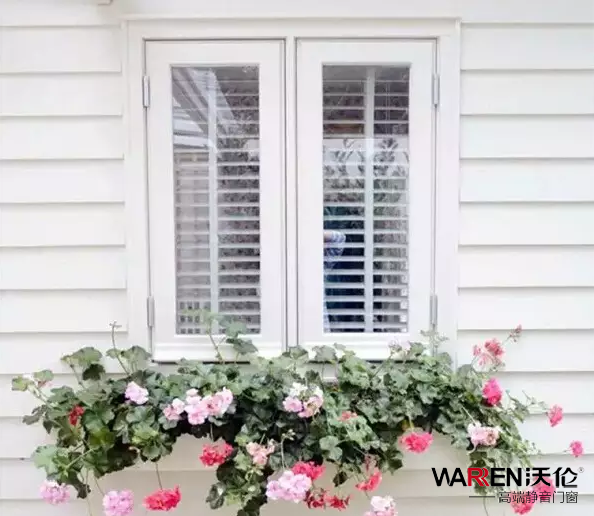
Hollow glass windows with built-in blinds are crafted from high-quality, double-layered tempered glass, featuring aluminum blind slats integrated directly into the glass. These slats can be easily adjusted using a handle-operated magnetic mechanism—or, for added convenience, they can be fitted with a motorized system controlled by switches or remote controls. By fine-tuning the angle of the slats, users can effortlessly regulate the amount of natural light entering the room, making these windows an ideal shading solution. What’s more, the blinds are seamlessly embedded within the hollow glass unit, preserving the elegant and functional appeal of traditional window blinds while eliminating the hassle of regular cleaning. So, what benefits does upgrading your doors and windows to this innovative glass design offer? Let’s explore together: 1. **Energy Efficiency** Hollow glass windows with built-in blinds are made from premium, double-layered tempered glass combined with high-quality, imported aluminum blind slats.

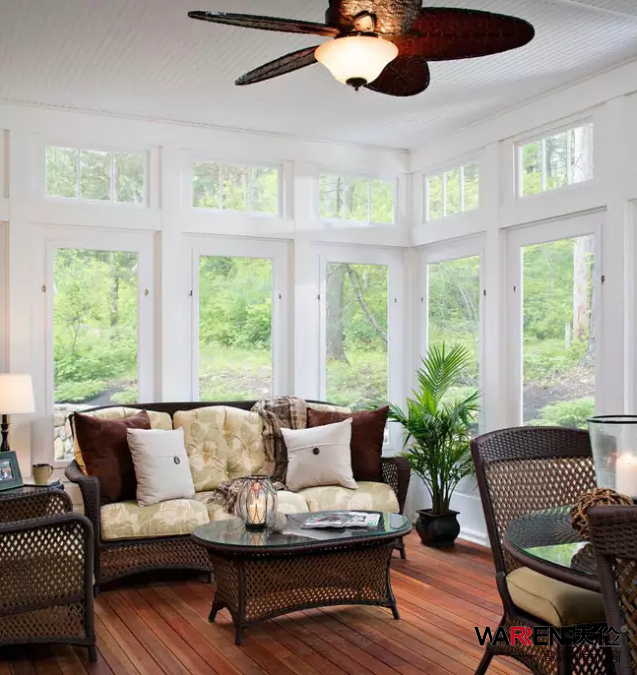
We often hear about sunrooms—and maybe even have seen a few in person—but when it comes to accurately defining what exactly a sunroom is or explaining how to design one, most people would find it surprisingly difficult to describe. So, what exactly does a sunroom refer to? And if you’re planning to renovate or design your own sunroom, what key design principles should you keep in mind? Perhaps you’ve noticed those grand glass structures featured in TV shows, or perhaps you’ve come across the more common balcony glass rooms in everyday life. At its core, the definition of a sunroom can be traced back to the architectural concept itself. For anyone who admires the idea—or even dreams of building their very own sunroom—understanding precisely what a sunroom is becomes the first step toward making it a reality.
2015-01-01
The broken-bridge aluminum doors and windows are designed with a structural drainage system based on the principle of pressure balance. The sliding mechanism features a sloped, stepped design with strategically placed drainage outlets, ensuring smooth water flow and excellent water tightness. Additionally, the straight profiles of the aluminum frame incorporate a hollow-core design, providing superior resistance to wind pressure deformation and outstanding vibration damping performance. These windows are ideal for both high-rise buildings and residential homes, allowing for the creation of large-scale window designs that maximize natural light. Moreover, their exceptional air-tightness surpasses that of any aluminum or plastic window, effectively keeping dust out of indoor window sills and floors—even in areas prone to heavy winds and sandstorms. Beyond their remarkable wind-pressure resistance and waterproof capabilities, broken-bridge aluminum doors and windows also boast superior sealing properties, along with excellent sound insulation and thermal performance.
2015-01-01
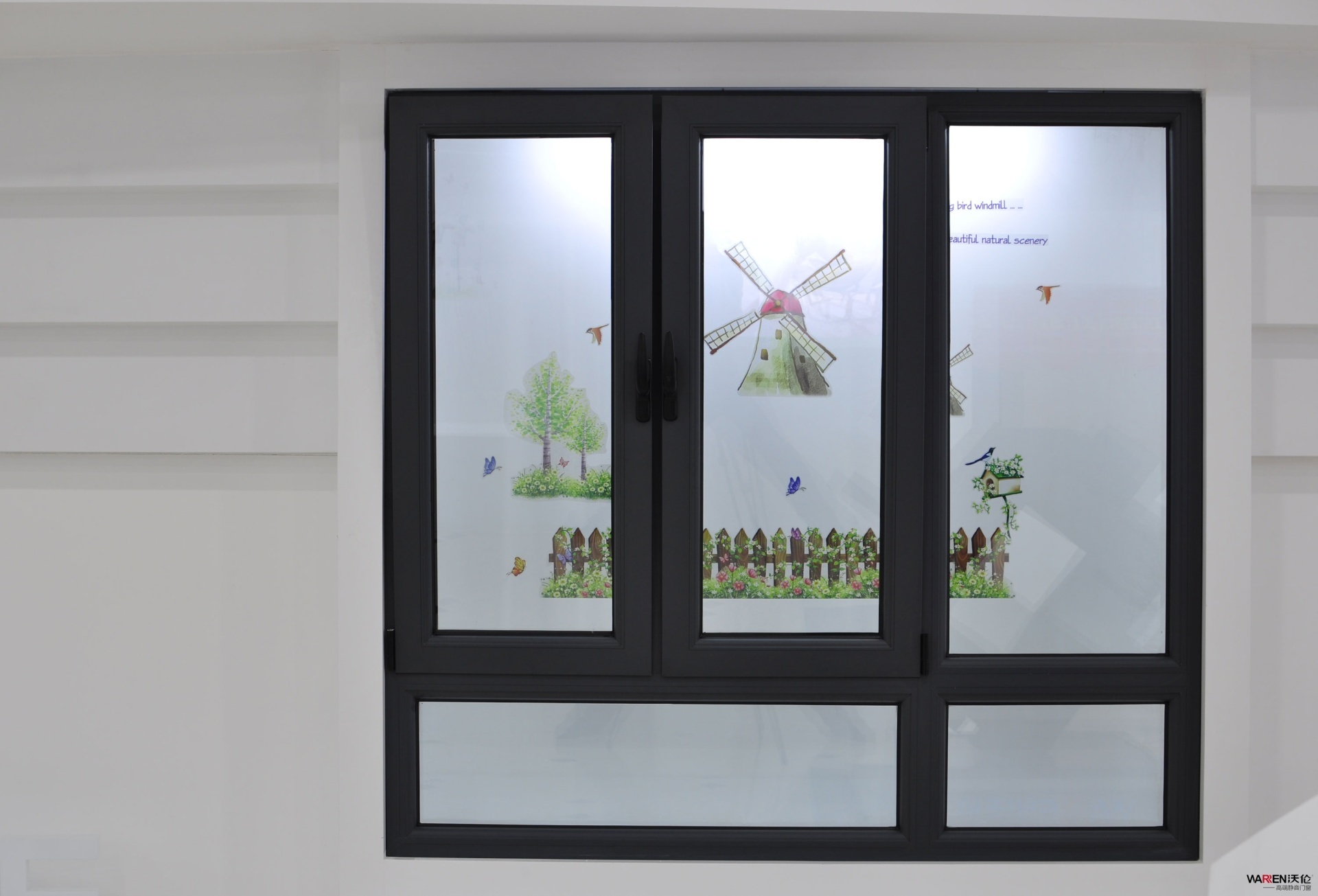
Windows serve as a gateway through which people glimpse the outside world while staying indoors—on one side lies the ever-changing, vibrant world beyond, and on the other, your own cozy, personal sanctuary. Even in ancient times, windows were already categorized into various types, but today their variety has grown even richer. From casement windows to sliding windows and tilt-and-turn windows, these styles have become incredibly common in modern homes. Yet, do you know exactly what sets a casement window apart from a sliding window? Let’s find out together below. **What is a Casement Window?** A casement window is one that opens horizontally, allowing for easy ventilation and natural light to flood into the room. This type of window is designed based on its unique opening mechanism.
Contact Information
Address: Area A, Datang Park, Sanshui Industrial Park, Sanshui District, Foshan City, Guangdong Province
Warren Doors & Windows, South of Fangshan Road and West of Dongtai Road, Dongcheng Subdistrict, Linqu County, Weifang City, Shandong Province
Business Inquiries: BD@warren.net.cn
Join Us: BD@warren.net.cn
International Trade Cooperation: BD@warren.net.cn
National Customer Service Hotline: +86 400-676-9888
Beijing Customer Service Hotline: +86 010-68319888


Douyin

Xiaohongshu
E-mail:
Tel:
400:
The Little Red Book:
Tiktok:
WeChat:
在线客服添加返回顶部
页面顺滑的滚动
右侧在线客服样式 1,2,3 4
图片alt标题设置: Beijing Warren Doors and Windows Co., Ltd.
循环体没有内容时: Materials are currently being organized—stay tuned!
CSS / JS 文件放置地