

News and Information
News and Information
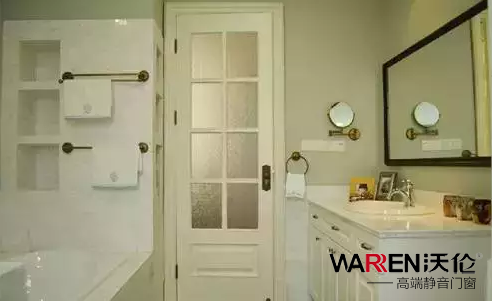
Recently, the popularity of "Lost in Hong Kong" has been nothing short of astonishing—everywhere you look, the "gong" theme is everywhere. Even in our seemingly peaceful daily lives filled with "gentle breezes," unexpected "gong" moments keep popping up, like, say, home renovations. So, let’s join the professor as we explore some hilarious—and sometimes costly—renovation mishaps from others, helping you avoid similar pitfalls and create your own dream home without hitting any major snags! 1. Saving Money Turns Into Spending More When renovating the bathroom, I decided to save money by opting for a single-layer frosted glass door instead of a more expensive double-layer version. Big mistake—later, I realized you could still see through it from the outside! After much hassle and extra costs to replace the door, the final bill ended up way over budget. Talk about a case of penny-wise, pound-foolish! 2. Forgetting to Test the Water Leads to Bickering After finishing the bathroom floor tiles, I skipped testing the water system altogether. Little did I know this oversight would lead to a whole lot of drama down the line…
2015-01-01
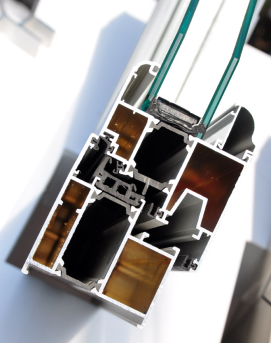
Aluminum-clad windows and doors, often referred to as "broken bridge" aluminum systems, are a type of aluminum alloy window or door. However, not all aluminum alloy windows can be called "broken bridge" aluminum systems—despite being made from the same basic aluminum material, the differences between them can be quite significant. So, what exactly sets "broken bridge" aluminum apart from standard aluminum alloy windows and doors? The key lies in its unique design: by integrating a plastic spacer (which has 1,250 times better thermal insulation properties than aluminum) between the inner and outer layers of aluminum, the system effectively separates the two aluminum sections while maintaining a strong, unified structure. This innovative approach creates a new type of thermally efficient aluminum profile. When used for windows and doors, this material delivers insulation performance that matches—or even surpasses—the standards of traditional PVC (or steel) windows, completely eliminating the thermal bridging issues commonly associated with pure aluminum frames.

Aluminum alloy windows are made primarily from aluminum alloy material, which boasts a hardness second only to diamond. They also offer exceptional resistance to high temperatures, fire, and corrosion—making them currently the best window material in terms of wind-pressure resistance and weather durability. This makes aluminum alloy an ideal choice for windows where "stability" is key, especially for homeowners living on higher floors. Installing aluminum alloy windows is straightforward and convenient, typically manageable even for experienced professionals. While these windows excel in withstanding strong winds, they suffer from poor sealing performance and tend to conduct heat rapidly, resulting in relatively low insulation and thermal efficiency. As such, they don’t align well with modern energy-saving principles. To address this limitation, homeowners can opt for double-glazed (or insulated) glass units, significantly enhancing both the window’s thermal insulation and overall energy efficiency.
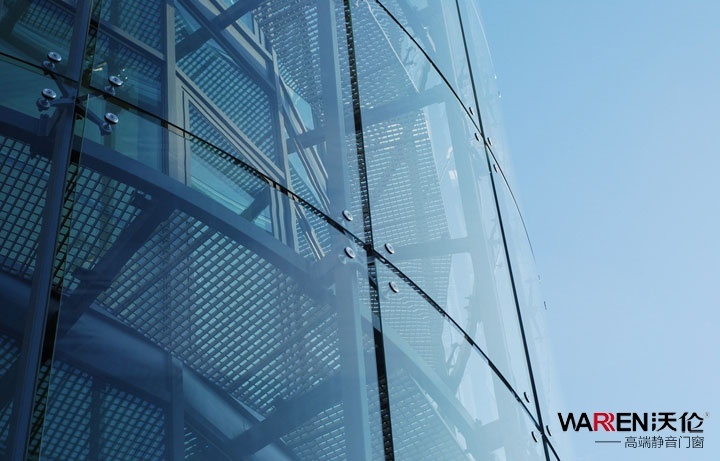
Currently, the glass used in the custom window and door manufacturing industry is all float glass. But what exactly is this type of float-insulated glass? And what are its key advantages? Let’s take a closer look: **Float Glass:** Float glass was first introduced to China in the late 1970s when the Luoyang Glass Factory successfully adopted the UK’s Royal Float Glass Production Line. The process involves pouring molten glass onto a bath of molten tin, where it spreads out evenly as it cools. This unique method ensures that the glass surface remains perfectly flat, free from any water ripples or distortions. Due to its exceptional flatness and optical clarity, float glass is widely used for applications like mirrors and automotive glass—where maintaining accurate dimensions and preventing distortion is critical. Moreover, the high-quality raw materials, such as premium quartz sand, are carefully selected for float glass production, ensuring superior performance and durability.

Spring rain falls gently, patteringly—signaling the rainy season slowly approaching. From soft, steady drops to sudden, lively splashes, it puts windows—and especially older homes with outdated renovations—to a real test. Leaky, seeping rain has become all too common, leaving homeowners utterly frustrated. After all, a window should proudly uphold its dignity by being completely watertight! Today, let’s dive into 10 essential "rules of thumb" about windows—because when it comes to keeping your home dry and cozy, these tips are simply unbreakable: 1. Always install a drip-edge (or "eagle beak") at the top of the window frame. For aluminum or PVC windows, this typically involves an inwardly curved design, which effectively prevents rainwater from creeping up due to capillary action. 2. Make sure to apply a waterproof coating (like asphalt) along the edges of the window. Before applying the coating, be sure to thoroughly sweep away any dust or debris from the area to ensure proper adhesion.

Why are champagne-colored断桥铝 (aluminum-clad) doors and windows selling so well? Since 断桥铝 doors and windows are made from aluminum profiles, they offer over a thousand color options when viewed against the standard spray-painting color charts. Typically, these doors and windows come in two factory-finished colors: white and champagne. Among them, the champagne shade has become particularly popular, winning favor among more consumers—so what’s the reason behind its growing appeal? Today, our editor will share some insights into the different colors available for 断桥铝 doors and windows. But why exactly does the champagne color resonate more with consumers? The main reason lies in its unique surface-coloring process: champagne finishes are achieved through electrophoretic coloring.

The topic of sunrooms has always been a favorite among our readers, and today we’ll explore together how to choose the right roofing material for your sunroom! Selecting the right roof material is no simple task—it requires balancing both aesthetic appeal and durability. The most common options include glass roofs, color-steel roofs, and high-quality terracotta tile roofs. Not sure which one to go with? Let us provide you with a comprehensive guide! ### 1. Tempered Glass Roofs When it comes to transparency, nothing beats a glass-roofed sunroom. Typically, the glass materials used for sunrooms fall into the following categories:

Building doors and windows represent the weakest link in a structure's thermal performance, accounting for 49% of the total energy consumption within a building's envelope. As living standards continue to rise, it has become increasingly common for indoor spaces to rely on cooling or heating systems to create comfortable living environments. Since doors and windows are key components of a building's exterior envelope, they directly influence the overall energy efficiency of the structure. Enhancing the thermal insulation of doors and windows is therefore a critical strategy for reducing a building's energy consumption. Today, the decision to install energy-efficient doors and windows is drawing growing attention from both homeowners and industry professionals. Meanwhile, with the introduction of national energy-saving regulations and building energy-efficiency standards, energy-efficient doors and windows have also captured significant interest across the construction sector.

Actually, abroad, the terms "wood-clad aluminum" or "aluminum-clad wood" aren’t used—instead, they refer to "aluminum-wood composite doors and windows." However, after these products were introduced to China, clever Chinese innovators refined them, giving rise to the popular terms "aluminum-clad wood" and "wood-clad aluminum." So, how can you tell the difference between these two types of windows and doors? Let us explain in detail below: **Aluminum-Clad Wood Doors and Windows** The main structure is a solid wood window, but a layer of aluminum alloy profiles is specially embedded on the exterior side using advanced techniques, creating an aluminum-clad wood design. This unique construction significantly enhances the wood window’s weather resistance, allowing it to effortlessly withstand the changing seasons—whether it’s scorching sun, relentless wind, or heavy rain. At the same time, it beautifully complements the architectural aesthetic, adding both durability and elegance.
Contact Information
Contact Address: No. 7, Industrial Avenue East, Songxia Industrial Park, Shishan Town, Nanhai District, Foshan City
Warren Doors and Windows, south of Fangshan Road and west of Dongtai Road, Dongcheng Subdistrict, Linqu County, Weifang City, Shandong Province
Become A Deaters :Info@wolunmc.com
National customer service hotline:+86 400-676-9888
WhatsApp:+86-18866798677
Beijing customer service phone number:+86 010-68319888


Douyin

Xiaohongshu
E-mail:
Tel:
400:
The Little Red Book:
Tiktok:
WeChat:
在线客服添加返回顶部
页面顺滑的滚动
右侧在线客服样式 1,2,3 4
图片alt标题设置: Beijing Warren Doors and Windows Co., Ltd.
循环体没有内容时: Materials are currently being organized—stay tuned!
CSS / JS 文件放置地