

How to build a great sunroom?
Release date:
2025-09-01
Sunroom designs should carefully consider structural safety, smooth drainage, and natural ventilation. A sunroom’s design should align with the overall architectural style, seamlessly integrating it as an organic part of the building—after all, a thoughtfully crafted sunroom can significantly enhance the aesthetic appeal of the existing structure. Above all, safety must be a top priority in sunroom design. The sunroom should feature a scientifically sound and well-balanced structural system, ensuring robust load-bearing capacity as well as excellent resistance to wind pressure. Additionally, the design should embrace a user-friendly, human-centered approach, making the system simple to operate, easy to maintain, and intuitively designed for comfort. Finally, the sunroom should also incorporate complementary systems such as efficient rainwater drainage, effective shading solutions, and advanced ventilation mechanisms.
The biggest issue with sunrooms is their poor thermal insulation and heat-retention performance—when there’s a significant temperature difference between indoors and outdoors, condensation tends to form and drip. To address this condensation problem, there are three effective solutions:
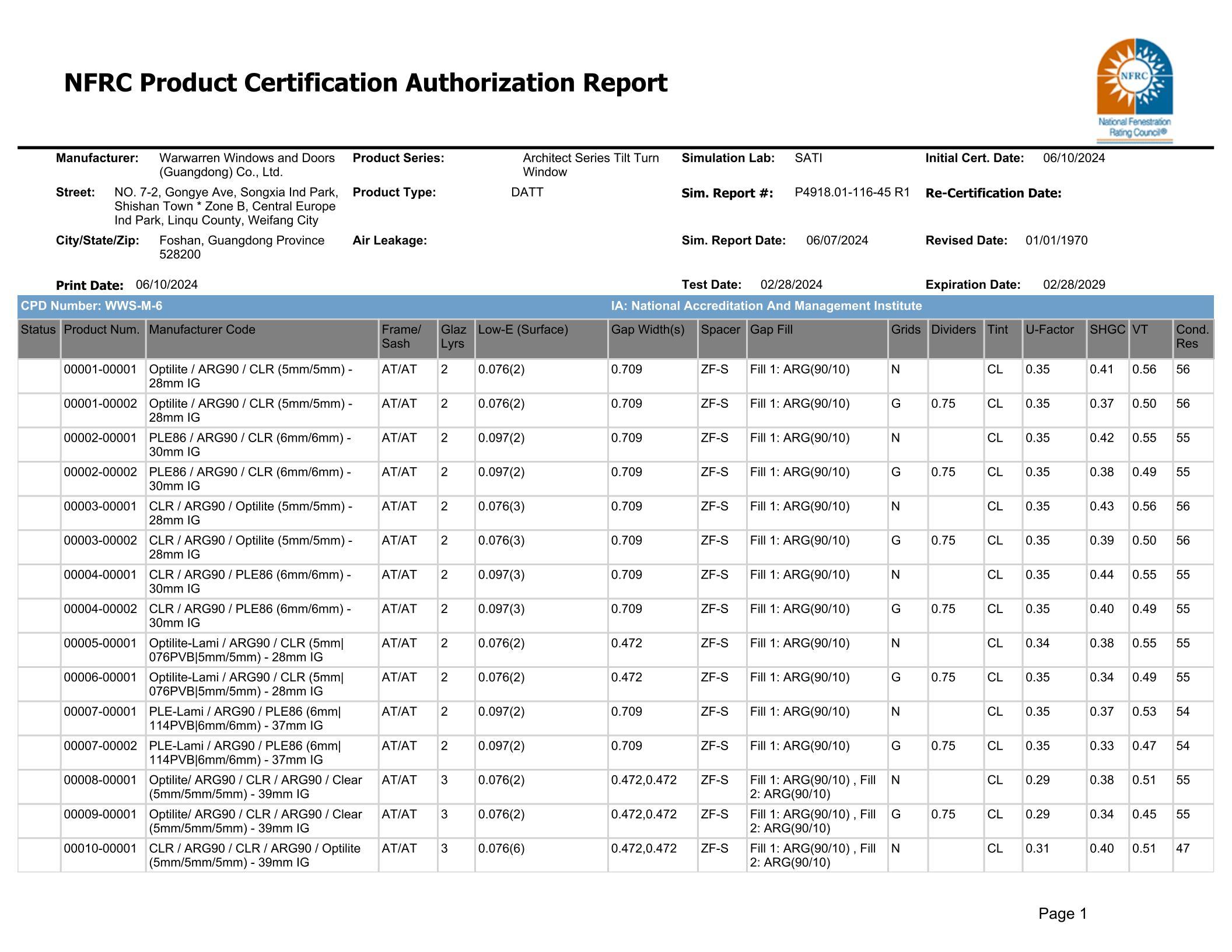
First, you can opt for double-glazed windows, which significantly enhance the room’s insulation and heat retention.
Second, design the glass roof with a slight slope and curvature, paired with a well-organized drainage system. Generally speaking, the angle between the roof’s slope and the horizontal plane should ideally be no less than 18 degrees but no more than 45 degrees.
Finally, another approach is to leave ventilation gaps or openings in the walls beneath the glass roof, allowing cooler outdoor air to seep into the room. This helps reduce the temperature difference between the inside and outside of the glass roof, preventing condensation from forming. Additionally, this method can improve indoor air quality—but at the cost of slightly increased energy loss.
No matter the type of skylight roof, drainage is critically important, as a poorly designed or improperly detailed drainage system in a sunroom can lead to clogged drains or water accumulation—both of which are major contributors to leaks. Over time, standing water can cause the sealant to degrade, so adequate attention must be given to drainage issues in sunrooms. The primary goals of sunroom drainage design are to address the following challenges:
1. Determining the Appropriate Drainage Slope:
To ensure effective rainwater drainage, a sunroom requires a specific drainage slope—where a steeper slope facilitates quicker water runoff. However, excessively steep slopes can create challenging conditions for construction and structural design. Therefore, it’s crucial to carefully select an optimal slope based on project-specific needs.
The slope of a sunroom is influenced by several key factors, with regional rainfall levels, the building’s shape, dimensions, and overall structural design having the most significant impact. Additionally, managing condensation buildup inside the sunroom and ensuring its self-cleaning capabilities are essential considerations. As a general guideline, the angle between the sunroom’s sloped surface and the horizontal plane should ideally range from at least 18 degrees up to 45 degrees.
2. Properly organize the drainage system. Organizing the drainage system effectively involves primarily determining the direction of water flow in the sunroom and deciding on the appropriate eave drainage method. To ensure rapid rainwater runoff, the drainage direction for the villa’s sunroom should be straightforward and direct, minimizing sharp turns or bends.
3. Glass for sunrooms. The glass used in sunrooms should be safety glass, such as tempered glass, insulated glass, laminated glass, low-E coated glass, or heat-reflective laminated glass.
4. Glare and overheating issues in sunrooms. When using standard laminated glass, both the solar transmittance and heat transfer coefficient are relatively high, and direct sunlight can cause glare. In contrast, thermal reflective laminated glass, thanks to its one-way imaging properties, effectively prevents glare while significantly reducing the heat transfer coefficient. Additionally, applying low-E films and increasing indoor greenery appropriately can also help mitigate glare and overheating concerns.
5. Since the roof sits atop the building, the issue of waterproofing the glass roof becomes particularly critical. In sunrooms, waterproofing and drainage are achieved through the structural design of the glass panels and supporting elements—meaning the effectiveness of the waterproofing system is closely tied to how well the structure is organized.
The two fundamental methods for waterproofing sunroom roofs can be summarized as follows: "Guide," which leverages the slope of the sunroom to naturally direct rainwater away quickly, minimizing the risk of leaks. And "Block," which involves using waterproof materials to seal gaps between the glass panels and structural components—ensuring a seamless, pore-free finish to prevent water infiltration. While both approaches are essential, guiding the water flow is the primary strategy, as it not only delivers superior waterproofing performance but also saves time and materials. Therefore, when addressing sunroom waterproofing comprehensively, prioritizing the "guide" method while supplementing it with "block" techniques will yield the most effective and efficient results.
Latest News


Contact Information
Contact Address: No. 7, Industrial Avenue East, Songxia Industrial Park, Shishan Town, Nanhai District, Foshan City
Warren Doors and Windows, south of Fangshan Road and west of Dongtai Road, Dongcheng Subdistrict, Linqu County, Weifang City, Shandong Province
Become A Deaters :Info@wolunmc.com
National customer service hotline:+86 400-676-9888
WhatsApp:+86-18866798677
Beijing customer service phone number:+86 010-68319888


Douyin

Xiaohongshu
E-mail:
Tel:
400:
The Little Red Book:
Tiktok:
WeChat:
在线客服添加返回顶部
页面顺滑的滚动
右侧在线客服样式 1,2,3 4
图片alt标题设置: Beijing Warren Doors and Windows Co., Ltd.
循环体没有内容时: Materials are currently being organized—stay tuned!
CSS / JS 文件放置地