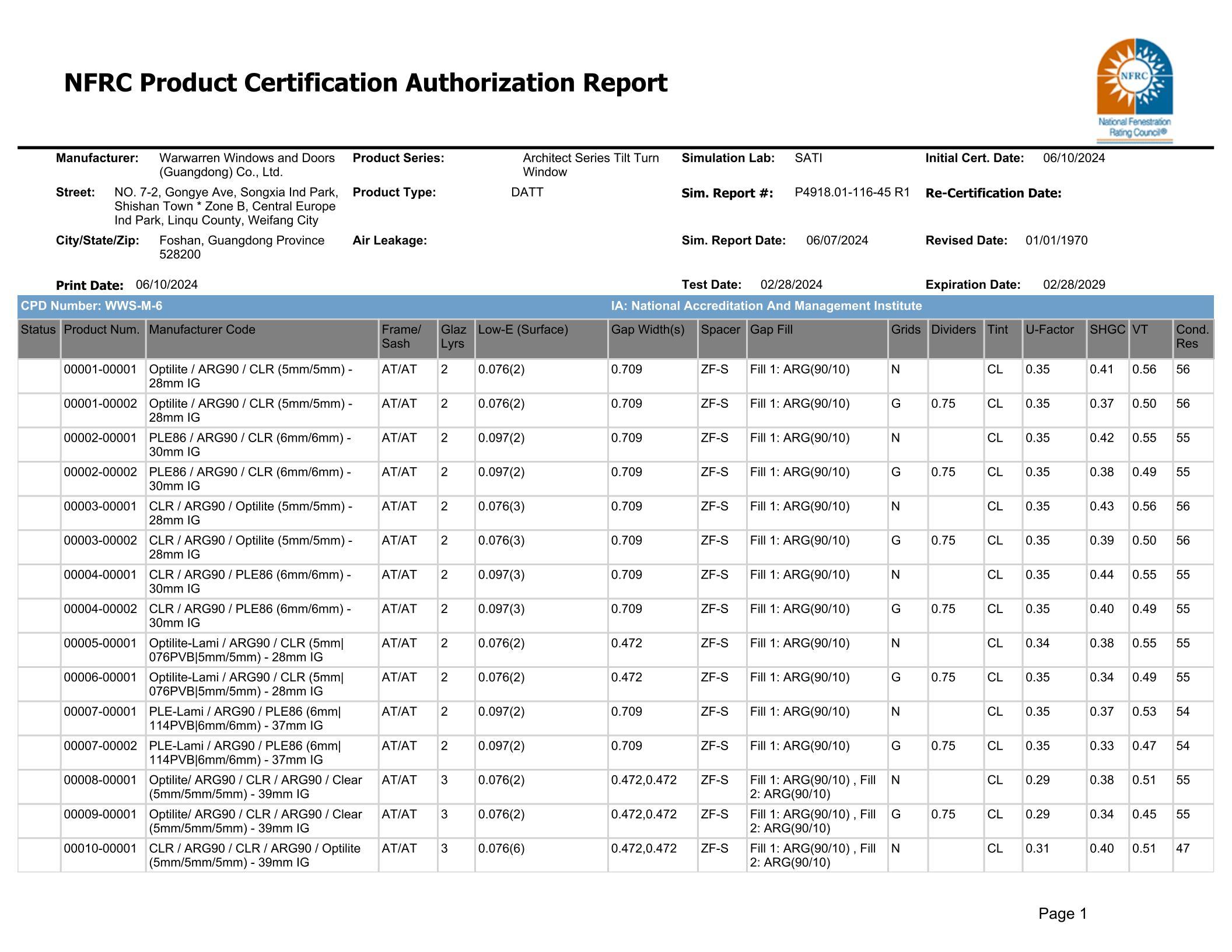
| Building doors and windows are the weakest link in a building's thermal performance, accounting for 49% of the total energy consumption within the building envelope. As living standards continue to rise, indoor cooling or heating systems have become increasingly common as people strive to create comfortable living environments. Since doors and windows serve as one of the building’s primary exterior enclosures, they directly influence the overall energy efficiency of the structure. Enhancing the thermal insulation of doors and windows is therefore a key strategy for reducing building energy use.
Today, the adoption of energy-efficient doors and windows in construction is drawing growing attention from both homeowners and industry professionals. Meanwhile, with the introduction of national energy-saving regulations and building energy-efficiency standards, energy-efficient window and door products have also captured the interest of many construction businesses. To help their projects stand out in an increasingly competitive market, developers are now focusing heavily on promoting energy-efficient windows and doors as a central media talking point.
However, many still lack a deep understanding of what truly constitutes an "energy-efficient" door or window. Simply using insulated spacer bars with broken-bridge profiles or installing double-glazed glass doesn’t automatically make a product energy-efficient. Instead, genuine energy-efficient doors and windows represent a meticulously designed, system-level solution—where every component works seamlessly together to deliver optimal performance. Each element, from materials to design, plays a critical role; omitting even one part would compromise the overall effectiveness of the product.
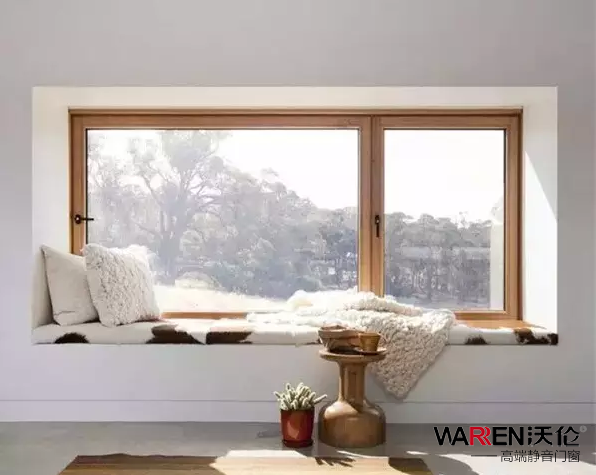
When evaluating whether building doors and windows are energy-efficient, three key factors should be considered: heat loss (heat exchange), heat convection, and heat conduction along with radiation.
1. Convection occurs when gaps in doors and windows allow hot and cold air to circulate, creating gas movement that facilitates heat exchange—and ultimately leads to heat loss.
2. Thermal conduction, on the other hand, refers to the transfer of heat caused by the molecular motion within the materials used in doors and windows—specifically, heat moves from one surface of the material directly to another, resulting in heat loss.
3. Radiation primarily transfers heat directly in the form of rays, leading to heat loss.

From the perspective of three key factors, designing and selecting the right profiles is crucial for truly energy-efficient doors and windows.
First, different materials yield profiles with varying performance characteristics—most notably, their thermal conductivity affects the energy consumption of doors and windows. When selecting a material, the design of the profile’s cross-section also becomes critically important. Let’s take aluminum alloy profiles as an example: unfortunately, in many regions, people still prioritize cost over performance and energy efficiency when choosing profiles, often sticking with standard aluminum alloys. However, because aluminum alloys have an exceptionally high thermal conductivity, heat transfers very quickly through them—this is especially noticeable in colder northern regions during winter, where indoor surfaces may develop frost, condensation, ice, or even water runoff. Meanwhile, in southern areas, though these issues aren’t always visible to the naked eye, they can significantly increase air conditioning energy use.

Recently, thanks to the country's comprehensive energy-saving policies and vigorous promotion efforts, coupled with continuous advancements and innovations in aluminum alloy profile technology—specifically aimed at addressing the inherent limitations of aluminum alloys—engineers have developed insulated, multi-chambered aluminum alloy profiles featuring thermal breaks. By employing this thermal-break design, the rapid heat transfer typically seen in conventional aluminum profiles is effectively blocked, significantly enhancing energy efficiency.
|