

Why is it recommended to install broken-bridge aluminum windows in your home?
Release date:
2025-09-01
With their exceptional advantages—such as high strength, excellent thermal and insulation performance, superior rigidity, outstanding fire resistance, large daylighting areas, remarkable corrosion resistance, superior overall performance, long service life, and aesthetically pleasing decorative effects—thermal-break aluminum alloy doors and windows are increasingly gaining favor in the market. High-end thermal-break insulated aluminum alloy windows have gradually become the preferred choice for premium architectural applications.
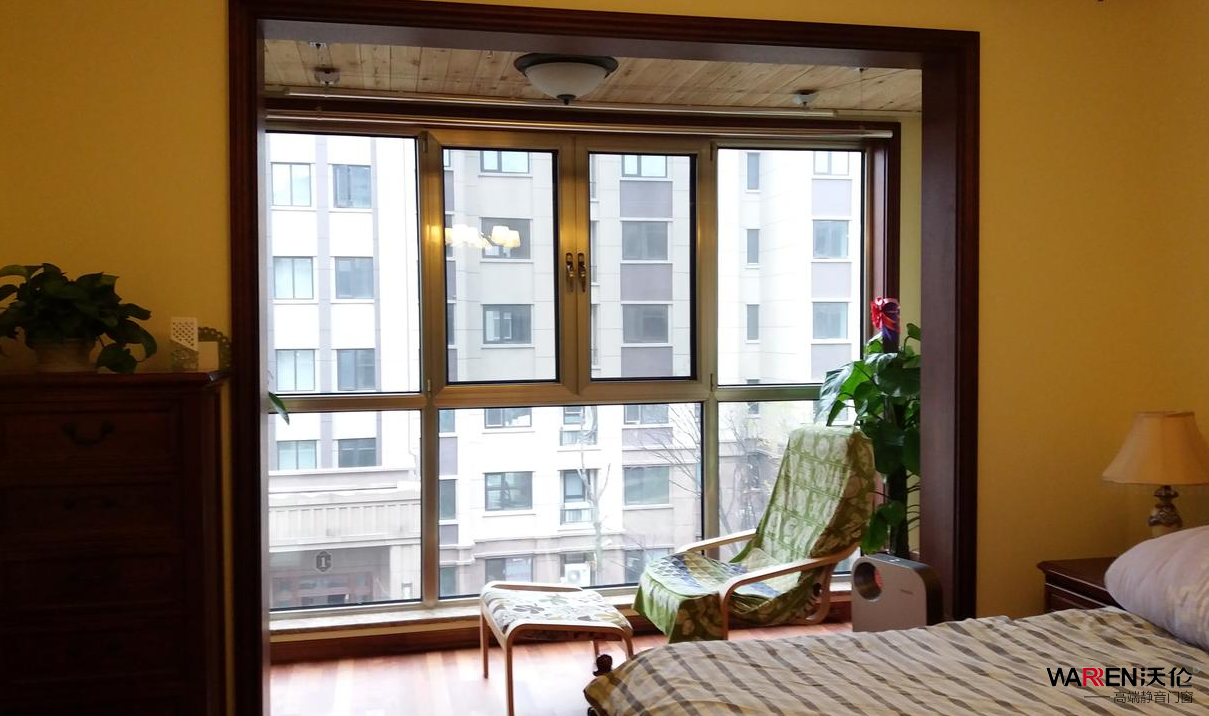
Why is it called "Broken Bridge Thermal Break Aluminum"?
The name "Broken Bridge Insulated Aluminum" refers to the "thermal bridge"—a term used in materials science to describe areas where heat can easily flow between the inside and outside of a building. The word "broken" signifies the action of interrupting this thermal bridge.
Specifically, since aluminum is a metal that conducts heat very efficiently, it can act as a direct "bridge," rapidly transferring temperature differences from indoors to outdoors when there’s a significant gap between indoor and outdoor temperatures. As a result, windows and doors made entirely of aluminum tend to have poor insulation performance.
However, "broken bridge aluminum" addresses this issue by physically separating the aluminum profile into two distinct sections. An insulating material—often polyamide—is inserted between these sections, effectively breaking the continuous aluminum structure. This design prevents heat from easily traveling through the entire material, significantly improving its thermal insulation properties. That’s precisely why it’s called "broken bridge insulated aluminum."
Aluminum doors and windows with thermal breaks generally consist of two main components: thermally broken aluminum profiles and insulated glass units.
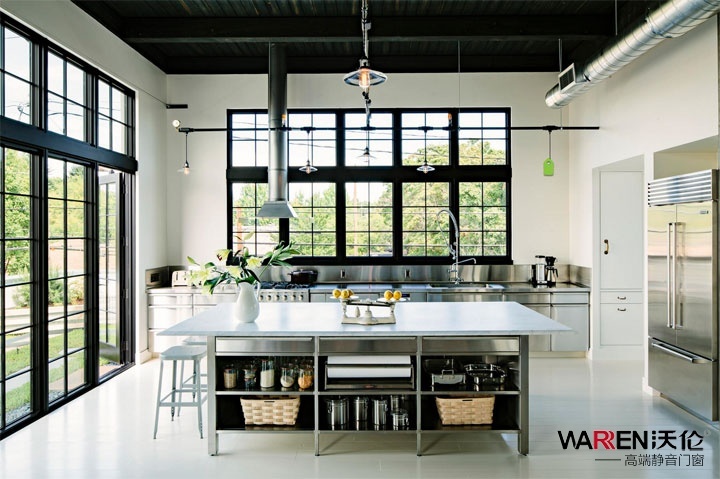
What is a thermal break insulated aluminum profile?
Also known as "thermal break aluminum," "insulated aluminum alloy," or "thermal-break aluminum alloy," this material features aluminum on both sides, with a plastic profile cavity in the middle serving as the thermal insulation layer. This innovative structural design seamlessly combines the strengths of both plastic and aluminum alloys, delivering exceptional decorative appeal while meeting rigorous demands for window and door strength, durability, and resistance to aging.
The principle behind thermal-break aluminum alloy windows is to insert a thermal break strip into the middle of the aluminum profile, effectively "breaking" the aluminum structure and preventing heat from easily transferring through it. As a result, thermal-break aluminum alloy doors and windows exhibit 40–70% lower thermal conductivity compared to non-thermal-break aluminum alloy counterparts. When thermal-break aluminum is used to create window and door frames, which are then fitted with features like insulated double-glazed glass, hardware components, mosquito nets, glass sealants, expanding foam, and sealing strips, the final product—known as thermal-break insulated aluminum alloy doors and windows—is born.
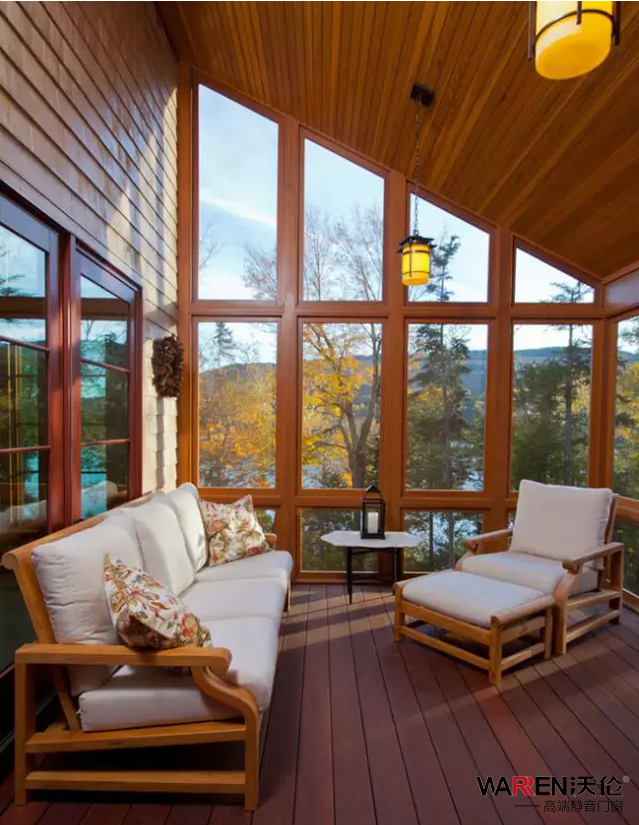
Analysis of the advantages of thermal-break aluminum for broken bridges:
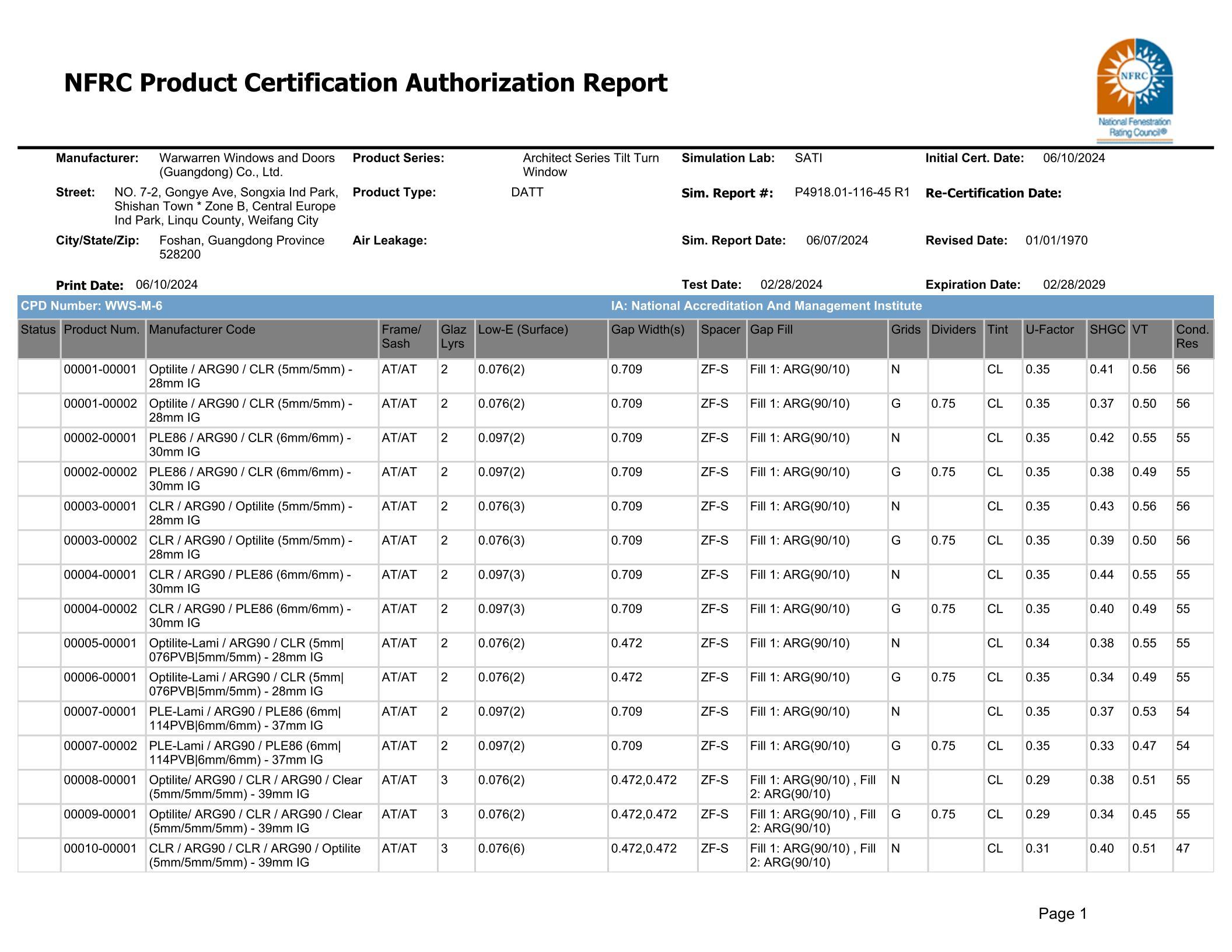
1. The thermal-break aluminum windows offer excellent insulation and heat retention. Featuring a soft, integrated connection between the inner and outer frames made of insulated profiles, along with triple-seal EPDM rubber strips around the perimeter, these windows ensure a tight seal—delivering exceptional air and water tightness—as well as superior thermal performance. The window sashes are designed with hollow glass structures, truly enhancing their outstanding capabilities in soundproofing, heat insulation, and energy efficiency. This innovative design significantly reduces heating and cooling costs, with a measured U-factor (K-value) ranging from 2.23 to 2.94 W/m²K—demonstrating remarkable energy-saving benefits. In fact, the savings achieved over just a few years can easily offset the initial investment.
2. Thermal-break aluminum with waterproof functionality. Designed with a structural drainage system based on the principle of pressure balance, featuring strategically placed drain outlets for efficient water flow and excellent water tightness.
3. The thermal-break aluminum system prevents condensation and frost formation. The thermal-break aluminum profiles enable a 7-seal structure for doors and windows—some even feature over ten sealing layers—while effectively separating the moisture chambers to achieve balanced air and water pressure. This innovative design significantly enhances both the water- and air-tightness of the windows and doors, delivering exceptionally clean and bright results.
4. Broken Bridge Insulated Aluminum Mosquito & Insect Screen Design. Invisible screen that can be installed and used either indoors or outdoors, offering effective protection against mosquitoes, flies, and ideal for regions in northern areas with heavy insect activity. Optional anti-theft versions are also available, providing enhanced security features.
5. Broken bridge thermal-break aluminum anti-theft and anti-loosening device. Paired with a unique multi-point hardware lock system, it ensures the window remains stable and secure during use.
6. Broken-bridge insulated aluminum windows offer excellent noise and soundproofing. Their meticulously designed structure features tight-sealing joints, and test results show an air-borne sound insulation level of 30–40 dB. This ensures that residents living within 50 meters of highways remain free from noise disturbances, while even those near bustling city centers can enjoy a peaceful, cozy indoor environment.
7. Thermal-break aluminum with fire-resistant features. Aluminum alloy is a metallic material that does not burn.
8. The thermal-break aluminum window offers excellent wind and sand resistance as well as superior wind-pressure performance. Its inner frame features a hollow design, providing exceptional strength against wind-induced deformation and outstanding vibration resistance. This makes it ideal for both high-rise buildings and residential homes, allowing for the creation of large-scale window designs with maximum daylight exposure. Additionally, these windows boast superior air-tightness compared to any aluminum or PVC windows, ensuring that even in areas prone to heavy winds and sand, indoor window sills and floors remain dust-free.
9. The thermal-break aluminum boasts high strength, maintaining its shape without deformation and requiring no maintenance. The thermal-break aluminum door and window frames offer exceptional tensile and shear resistance, as well as superior ability to withstand thermal distortion—making them robust and long-lasting. Additionally, the thermal-break aluminum profiles are highly resistant to acid and alkali corrosion, preventing yellowing or fading, and virtually eliminating the need for regular upkeep.
10. The thermal-break insulated aluminum comes in a variety of colors, making it highly decorative. It allows for different color finishes on the interior and exterior surfaces of doors and windows, perfectly catering to customers' preferences for color effects and aesthetic design needs—while also aligning with architects' requirements for personalized, innovative designs. The aluminum profiles feature a sleek, streamlined design, lending a luxurious and sophisticated look.
11. Thermal-break insulated aluminum—green building material for a circular economy. During production, thermal-break aluminum doors and windows generate no harmful substances, and all materials are fully recyclable and reusable, making them eco-friendly green building products that align with the principles of sustainable human development.
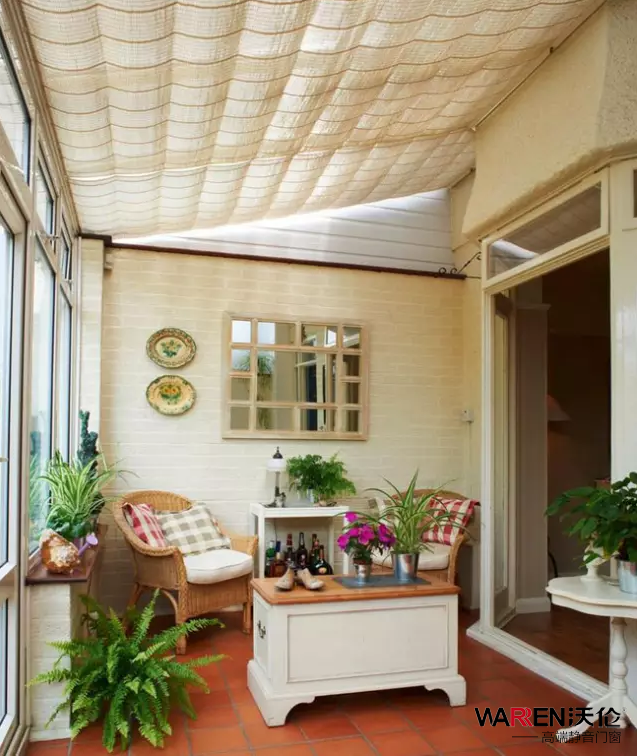
Material properties of thermal-break aluminum for the Broken Bridge
(1) Broken bridge aluminum alloy doors and windows represent the highest-grade aluminum alloy products—they are the fifth-generation of innovative, energy-efficient, and thermally insulated window and door systems, following wooden windows, iron windows, PVC windows, and conventional colored aluminum alloy doors and windows. Their surfaces can be coated in a wide variety of colors.
(2) The structural composition of the broken-bridge colored aluminum alloy doors and windows combines the eco-friendly qualities of wooden windows, the robustness and security of iron and steel windows, and the excellent thermal insulation and energy-saving features of PVC windows. Compared to standard aluminum doors and windows, this design is more complex and comes at a higher cost. Unlike regular colored aluminum profiles—which lack thermal breaks and thus fail to provide insulation or energy efficiency—they merely feature surface spray painting for aesthetic appeal.
(3) The profile section wall thickness of broken-bridge aluminum alloy doors and windows strictly adheres to national standards. Wall thickness requirements must fall between 1.4 mm and 2.0 mm, as thinner walls directly impact assembly techniques and the structural integrity and safety of the finished doors and windows. In contrast, standard colored aluminum doors and windows typically have wall thicknesses below 1.4 mm.
(4) Colorful aluminum doors and windows with thermal breaks are assembled using specialized corner brackets that are at least 3mm thick, and the joints are sealed with dedicated corner adhesive. In contrast, standard doors and windows rely solely on rivets or screws for assembly, resulting in lower structural integrity and safety—but at a significantly lower cost. Interestingly, once fully assembled, these high-quality thermal-break aluminum doors and windows can easily support an adult standing and even walking on them without any issues. Moreover, there’s a vast difference in technical requirements between factory-assembled systems produced using automated equipment and those manually assembled on-site by skilled workers. Finally, it’s important to note that specialized thermal-break aluminum profiles are in a completely different class compared to standard aluminum profiles—they simply cannot be directly compared.
How do you assess the quality of bridge aluminum profiles?
a. Profile wall thickness: When producing home decoration products, most window and door manufacturers opt for materials with high yield rates—typically opting for thinner profiles to cut down costs. A thickness of 1.3 mm, for instance, falls below the national standard. According to the national standard, profile thickness must be at least 1.4 mm or greater.
b. Thermal Break Strips: The thermal break strip is the most critical component that creates the "thermal break" in broken bridge aluminum profiles. It must be made from PA66 nylon, as mandated by national standards. However, many manufacturers in the current renovation market are opting for cheaper PVC plastic thermal strips, which can significantly compromise both the product's lifespan and safety.
Latest News

Contact Information
Contact Address: No. 7, Industrial Avenue East, Songxia Industrial Park, Shishan Town, Nanhai District, Foshan City
Warren Doors and Windows, south of Fangshan Road and west of Dongtai Road, Dongcheng Subdistrict, Linqu County, Weifang City, Shandong Province
Become A Deaters :Info@wolunmc.com
National customer service hotline:+86 400-676-9888
WhatsApp:+86-18866798677
Beijing customer service phone number:+86 010-68319888


Douyin

Xiaohongshu
E-mail:
Tel:
400:
The Little Red Book:
Tiktok:
WeChat:
在线客服添加返回顶部
页面顺滑的滚动
右侧在线客服样式 1,2,3 4
图片alt标题设置: Beijing Warren Doors and Windows Co., Ltd.
循环体没有内容时: Materials are currently being organized—stay tuned!
CSS / JS 文件放置地