

The difference between casement windows and sliding windows goes far beyond just their appearance!
Release date:
2025-09-01
Windows are the gateway through which people glimpse the outside world while staying indoors—on one side lies the ever-changing, vibrant world, and on the other, their own cozy, peaceful little sanctuary.
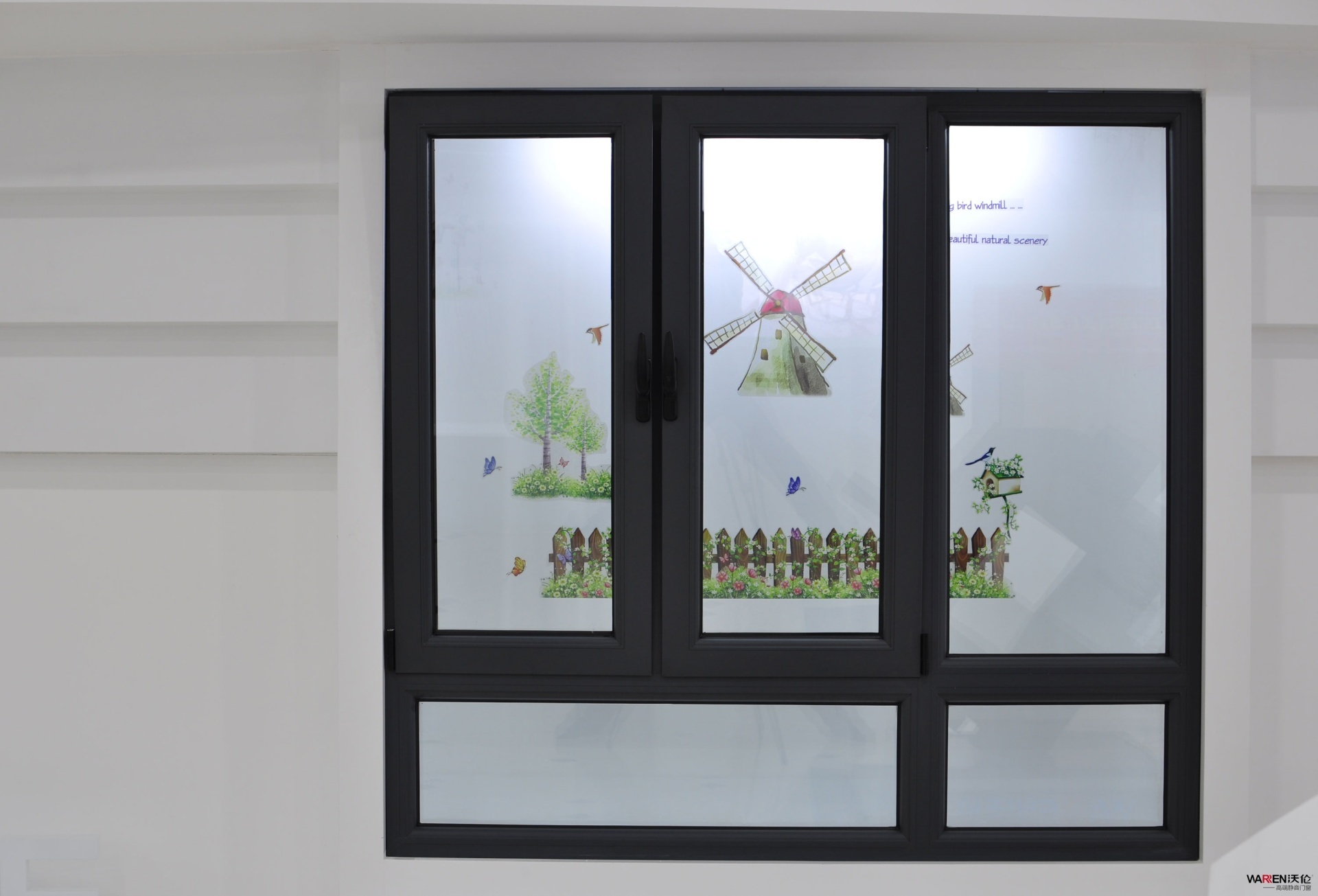
Even in ancient times, windows were already categorized into many types—today, the variety has grown even richer. From casement windows and sliding windows to tilt-and-turn windows, these styles have become incredibly common in homes. But do you know the key differences between casement and sliding windows? Let’s find out together below.
What is a casement window?

A so-called casement window is one that can be opened and closed horizontally. These windows are defined by their method of operation and are now widely used in various renovation projects.
The advantages include a large opening area, excellent ventilation, superior sealing, and outstanding soundproofing, thermal insulation, and water-resistant performance. Interior-opening windows make it easy to clean the exterior, while exterior-opening designs save space when opened.
The downside is that the window frames are small, resulting in a limited field of view. Outward-opening windows require extra space outside the wall, making them vulnerable to damage during strong winds. Meanwhile, inward-opening windows take up valuable indoor space and make it inconvenient to use screens or curtains. Additionally, if the quality isn’t up to par, these windows may even allow rainwater to seep in.
What is a sliding window?

Sliding windows come in two types: side-sliding and top-and-bottom sliding. These windows use sashes equipped with wheels that glide along tracks embedded in the window frame. The advantage of this design is that the window doesn’t occupy extra space—either when open or closed—and its structure is relatively simple.
Sliding windows offer the advantage of not taking up indoor space, while also boasting a beautiful appearance, an affordable price, and excellent sealing performance. Equipped with high-quality sliding tracks, they open smoothly and effortlessly with just a gentle push. Paired with large panes of glass, these windows not only maximize natural light indoors but also enhance the building's overall aesthetic appeal. The window sashes are designed to handle stress effectively, making them highly durable and resistant to damage—though their ventilation area is somewhat limited.
The downside is that only up to 50% of the window sashes can be opened, and when closed, the windows lack proper air tightness. In recent years, improved sliding windows incorporating new technologies have emerged—they allow multiple sashes to slide and fold neatly to one side. Additionally, there are now sliding windows designed to enhance air sealing. However, overall, these windows still fall short of the thermal performance offered by casement windows, resulting in higher energy consumption. As a result, they are rarely used in advanced countries.
The difference between casement windows and sliding windows:
1. Different appearance
The main difference between casement windows and sliding windows in terms of appearance lies in how they complement the overall architectural style. Casement windows offer greater flexibility in dividing the frame, allowing architects to create facades with virtually any linear design. Moreover, for large, floor-to-ceiling windows with extensive glass panels, the opening sash occupies only a small fraction of the total window area—making casement windows particularly well-suited for high-end residential projects where precision and harmony with the building’s aesthetic are paramount. In contrast, sliding windows can only be opened horizontally, which limits their ability to integrate seamlessly with large, fixed glass sections. As a result, sliding windows are typically more appropriate for industrial spaces with clear, distinct horizontal and vertical lines—or for rustic, countryside-style homes where simplicity and functionality take precedence.
2. Different prices
The price difference between comparable casement windows and sliding windows isn’t significant—casement windows typically cost slightly more than sliding ones. Standard aluminum alloy casement windows range from 200 to 350 yuan per square meter, while mid-to-high-end models start at 460 yuan per square meter or higher. In contrast, sliding doors and windows generally fall within the price range of 150 to 200 yuan per square meter.
3. Thermal Performance
In terms of thermal performance, casement windows on the market typically use sealing strips for a tight seal, while sliding windows usually rely on brush seals. Generally speaking, sealing strips provide superior insulation compared to brush seals. Casement windows often feature two-point or top-and-bottom locking mechanisms on their opening sashes, ensuring a more effective and secure seal. In contrast, sliding windows commonly use hook locks or push-to-lock systems, which, unfortunately, don’t deliver quite as strong a sealing performance.
4. Performance
When it comes to the three key performance characteristics of doors and windows—wind pressure resistance, water tightness, and air tightness—casement windows generally outperform sliding windows. The wind pressure resistance of a window or door depends on the moment of resistance provided by its primary load-bearing components; typically, the larger the cross-sectional area of the profile, the greater its moment of resistance—but this relationship isn’t always perfectly proportional.
Water tightness, meanwhile, hinges on the effectiveness of sealing at the opening mechanism. Casement windows usually rely on rubber seals for a secure, watertight closure. As for air tightness, many casement windows on the market use either two-point locks or top-and-bottom locking systems in the sash area to ensure a tight, airtight seal.
5. Manufacturing Process
In terms of manufacturing, sliding windows typically have a simple structure and don’t require specialized equipment, making them ideal for small workshops equipped with basic power saws. On the other hand, casement windows rely on thick aluminum alloy corner pieces joined at a 45-degree angle, so they demand high-quality "corner-connecting machines" or "double-head cutting saws" to produce top-notch aluminum alloy casement windows.
Now that you’ve learned about the above, I’m sure you have a clearer understanding of what casement windows are and how they differ from sliding windows. After all, windows are a room’s “eyes”—they protect us from the elements while also letting us stay connected to the world outside. So let’s not take them lightly!
Latest News

Contact Information
Contact Address: No. 7, Industrial Avenue East, Songxia Industrial Park, Shishan Town, Nanhai District, Foshan City
Warren Doors and Windows, south of Fangshan Road and west of Dongtai Road, Dongcheng Subdistrict, Linqu County, Weifang City, Shandong Province
Become A Deaters :Info@wolunmc.com
National customer service hotline:+86 400-676-9888
WhatsApp:+86-18866798677
Beijing customer service phone number:+86 010-68319888


Douyin

Xiaohongshu
E-mail:
Tel:
400:
The Little Red Book:
Tiktok:
WeChat:
在线客服添加返回顶部
页面顺滑的滚动
右侧在线客服样式 1,2,3 4
图片alt标题设置: Beijing Warren Doors and Windows Co., Ltd.
循环体没有内容时: Materials are currently being organized—stay tuned!
CSS / JS 文件放置地